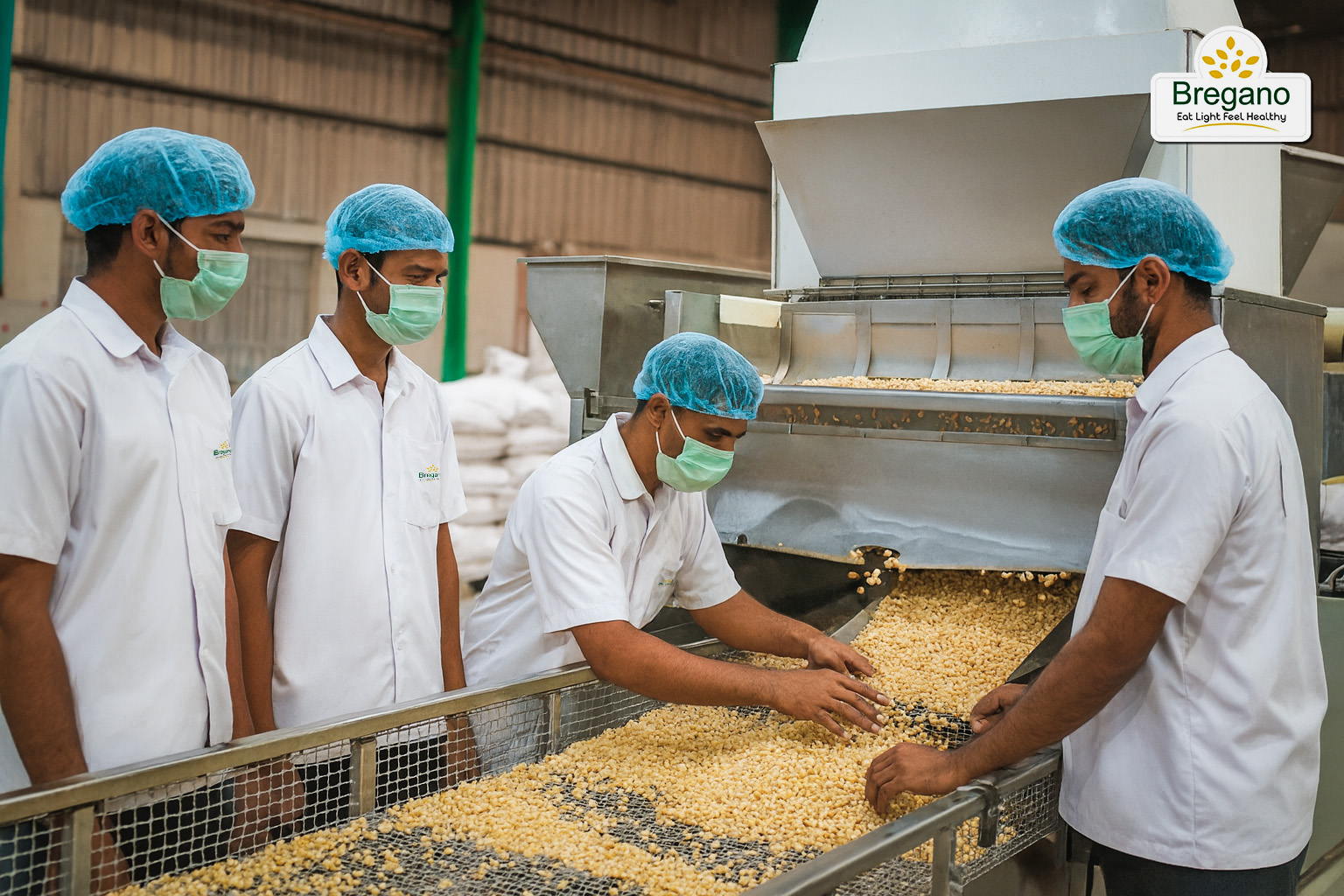
Okay. so, Most people have no idea what goes into the bowl of pasta they eat on a random Tuesday night.
And honestly why would they? You buy a pack, boil water, add sauce, done.
But after spending years inside this industry (and seeing both excellent and questionable factories up close), I can tell you this with full confidence:
Not all pasta is the same. Not even close.
I’ve walked through facilities where “100% semolina” on the label didn’t fully match what was happening inside. And I’ve also seen plants where the team genuinely cares about what ends up on your plate.
So let me take you behind the scenes of how pasta is actually made in India the real process, not the marketing version. Once you understand this, you’ll never look at that grocery shelf the same way again.
Think about it 10 years ago, pasta was mostly restaurant food. Special occasions. Or something you made when guests came over.
Now?
It’s everywhere: kids’ tiffin boxes, hostel meals at 11 PM, quick dinners after work, Sunday brunches, birthday parties.
Indian households quietly realized pasta isn’t “foreign food.” It’s practical: cooks fast, kids love it, and when made properly, it can fit into a balanced diet.
That demand boom forced Indian manufacturers to scale quickly. Some improved standards. Some cut corners. And that’s where the real difference begins.
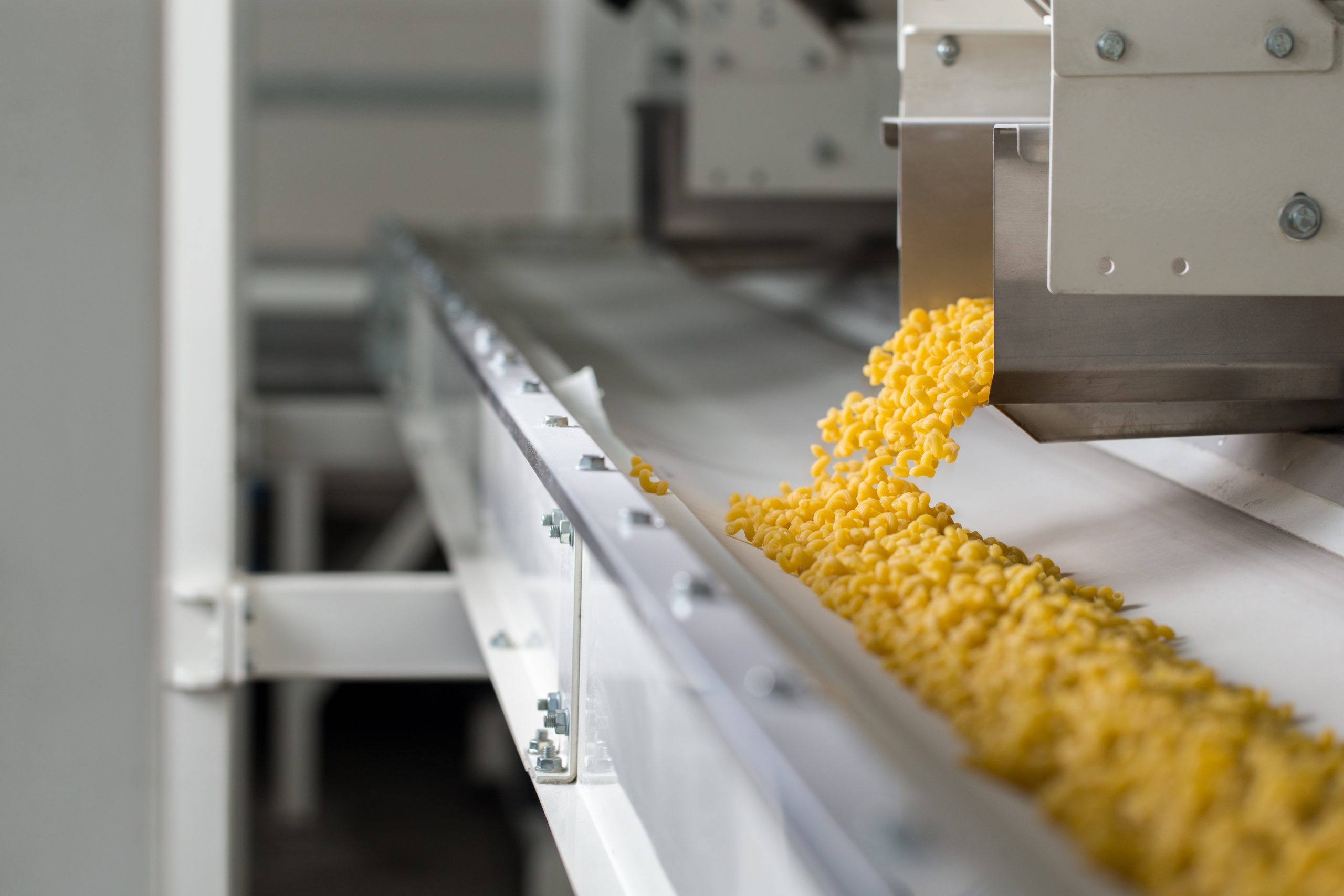
The first time I visited a pasta factory years before we started Bregano the owner proudly showed me everything… until I asked to see their flour storage.
Because here’s the uncomfortable truth:
A lot of pasta in India is made using maida . It’s cheaper, easier to process, and most customers can’t tell just by looking at the pack.
But maida-based pasta behaves differently:
it can turn softer faster,
it doesn’t hold texture well,
and nutritionally it’s closer to refined carbs than traditional semolina pasta.
If you want to understand the difference clearly, this is a useful explainer on the impact of refined wheat flour on blood sugar.
At Bregano, we decided early on that we’ll stick to 100% durum wheat semolina. It costs more and needs tighter processing control but the final pasta is firmer, more satisfying, and performs better when cooked.
If you want deeper reading on semolina/pasta quality from a research perspective, this review is worth bookmarking: durum wheat semolina nutrition and pasta quality.
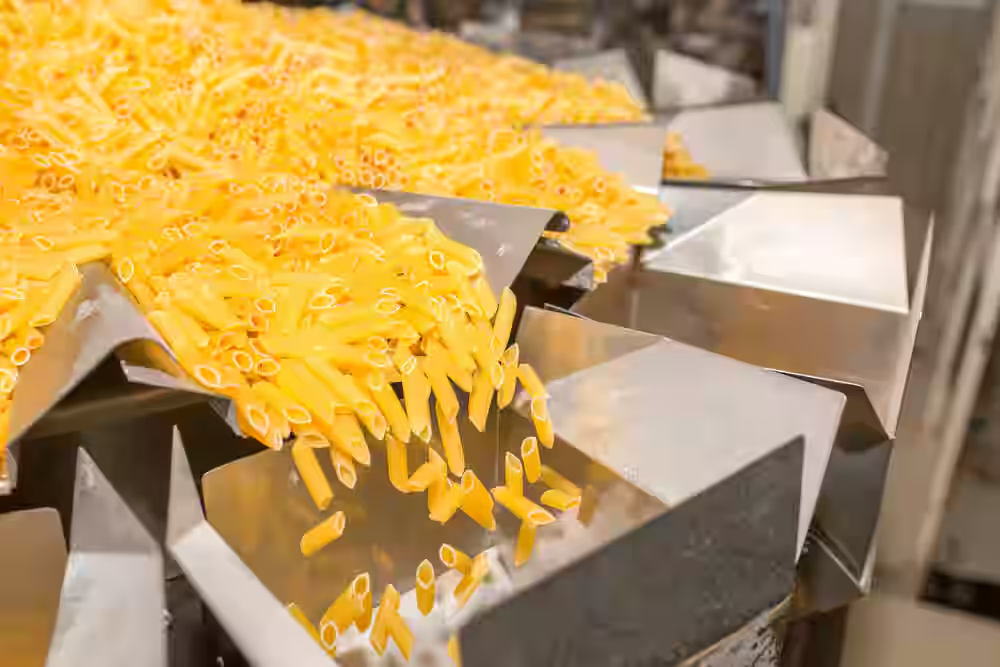
Once the flour is chosen, semolina is mixed with water.
Sounds simple. It’s not.
The water-to-flour ratio needs to be extremely precise:
too much water → pasta cooks mushy,
too little water → cracks during drying.
This is one reason we use Italian PAVAN machinery the system measures water accurately, controls mixing time, and monitors dough temperature automatically.
In short: you’re not “hoping” the batch turns out consistent. You’re controlling variables.
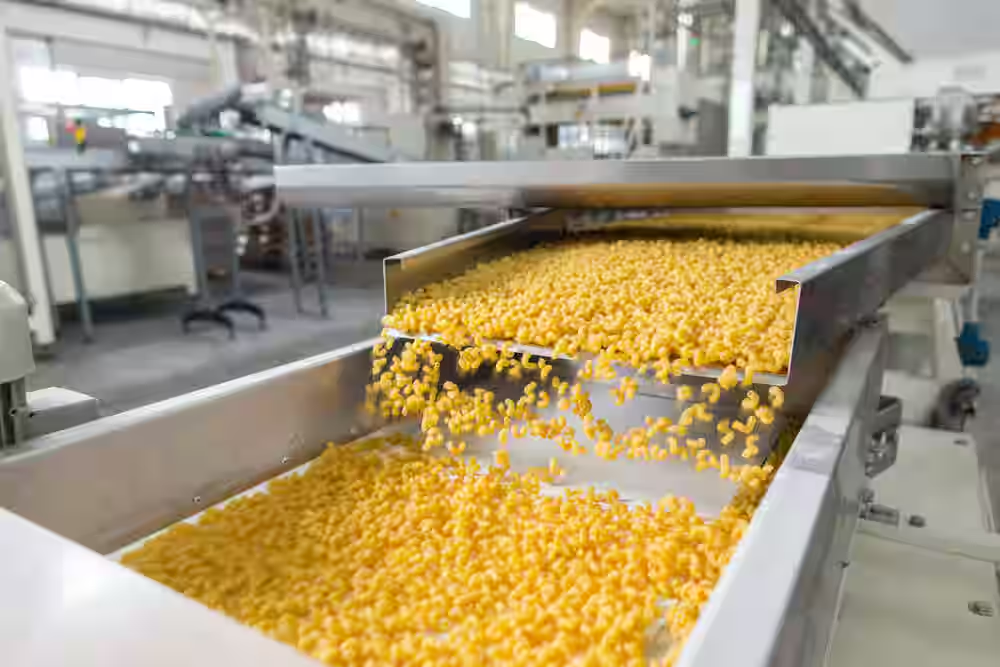
The dough is pushed through metal dies under pressure to form shapes penne, fusilli, macaroni, etc.
Here’s where quality shows up:
Teflon dies create smoother pasta.
Bronze dies create a slightly rough surface that helps sauce cling better.
That “sauce sticks properly” effect isn’t magic it’s engineering.

This is the stage most manufacturers mess up.
Proper drying takes time often 12 to 24 hours, depending on shape and thickness. Drying controls texture, shelf life, and how evenly pasta cooks.
A good practical reference on why drying matters in industrial pasta is here: why careful pasta drying is critical for quality and shelf life.
At Bregano, our PAVAN line uses an automated drying system that manages:
temperature stages,
humidity,
airflow,
and time cycles automatically via sensors.
This matters because when drying is rushed or inconsistent, you’ll see:
cracks and brittleness,
uneven cooking,
clumping,
or quality problems that show up weeks later in storage.
If you’re curious about the consumer side of slow drying (and why some people find it easier on digestion/texture), this is a good read: slow-drying pasta and its benefits.
After drying and cooling, serious plants don’t just pack and ship.
They test:
colour consistency,
breakage rate,
moisture level,
and most importantly they cook samples from every batch to verify texture and bite.
We once rejected an entire batch due to slightly off colour. Most customers wouldn’t notice. But we didn’t want “probably fine” leaving our facility.
After quality approval, pasta is packed in food-grade packaging.
Many manufacturers use nitrogen flushing (reducing oxygen in the pack) to preserve freshness longer without preservatives. Sealing quality and tamper-proof packaging also make a big difference in real-world shelf life.
When we started Bregano, we had a clear decision:
Optimize for margins, or optimize for quality.
We chose quality.
That means:
automation-heavy Italian manufacturing for consistency,
export-ready systems and processes (more on this here: PAVAN technology & export manufacturing),
certifications and hygiene discipline beyond the bare minimum,
no preservatives (because if drying + packing is done right, you don’t need them).
When you’re standing in the aisle (or scrolling at midnight), here’s what actually helps:
1) Read ingredients
Look for “durum wheat semolina” / “100% suji”
Avoid packs where “refined wheat flour/maida” is primary, or ingredients are vague
2) Look at the surface
Slightly rough/matte texture usually performs better with sauce than shiny-smooth pasta
3) Cooking test
Good pasta usually:
doesn’t clump even without oil,
holds shape,
cooks evenly,
has a firm bite (al dente feel)
If it always turns sticky and mushy, that’s not your cooking it’s the pasta.
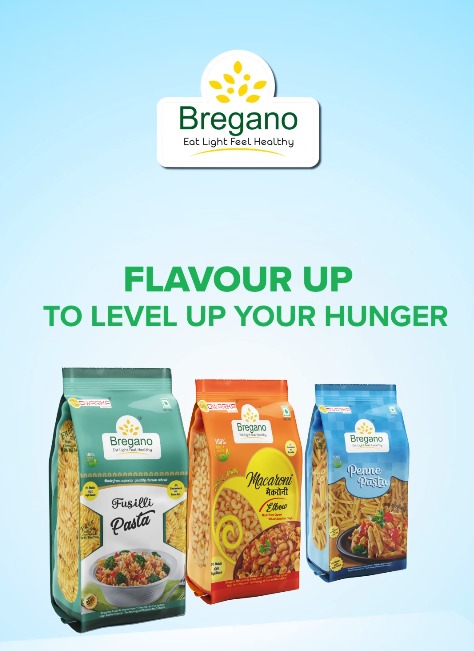
At Bregano, we focus on three shapes because they cover most Indian home cooking needs and we’d rather make a few shapes really well than many shapes inconsistently.
You can see them all here: Bregano Pasta Collection
And on first mention, link each shape:
Penne – perfect for thick sauces, makhani-style pasta, creamy sauces
Fusilli – spirals hold pesto, veggies, and masala sauces beautifully
Macaroni – comfort-food classic, quick cooking, kid friendly
For families who want all three together, we also have the Family Pasta Combo.
A few things are happening together:
more health-aware buying (people are reading labels now),
growing middle-class willingness to pay for better staples,
time-starved lifestyles needing fast meals,
and increasing international demand for export-quality products.
That export angle is real, and it’s something we’ve built for intentionally: export opportunities & manufacturing standards.
1) Penne + whatever vegetables exist
Boil penne. Garlic in olive oil. Toss in any veggies. Salt/pepper/chilli flakes. Mix.
2) Fusilli + quick spinach pesto “thing”
Blend spinach + nuts + garlic + lemon + water. Toss with fusilli. Done.
3) Masala macaroni comfort version
Jeera + onions + tomatoes + basic masala spices. Add boiled macaroni. Feels like home.
Which pasta brand should I buy?
Choose any brand that uses 100% durum wheat semolina, is transparent on ingredients, and performs well when cooked.
Is Indian pasta as good as imported?
Depends on the manufacturer. Some Indian plants match international standards (especially with Italian lines and controlled drying). Some don’t.
Why is some pasta ₹60 and some ₹150?
Raw material quality, drying time, automation, testing, packaging these change cost drastically. Per-meal difference is usually small.
Should healthy people eat pasta?
If it’s semolina-based, cooked properly, and paired with veggies/protein yes, it can fit well. The issue is usually portion size and heavy sauces, not pasta alone.
Do you ship outside India?
We export. For details: Export page or Export enquiries.
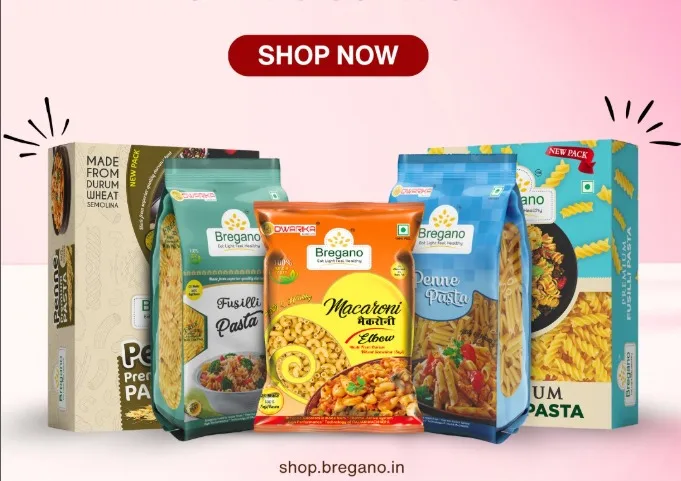
The difference between good and mediocre pasta isn’t obvious in the packet.
You notice it when you cook it:
whether it holds shape,
whether sauce sticks,
whether it feels heavy or satisfying,
whether your kids actually finish their meal.
That’s why we chose to make pasta properly slow drying, strong quality checks, and 100% semolina.
If you want to try Bregano, shop here: shop.bregano.in
For updates and recipes:
Instagram: @breganoproducts
Linktree: https://linktr.ee/bregano
And even if you buy another brand that’s totally fine. Just choose quality. Read ingredients. Ask questions. Care about what you’re eating.
Because what goes into your body (and your family’s body) actually matters.