What Is PAVAN Pasta Technology?The Italian Innovation Behind Modern Pasta Manufacturing

What Is PAVAN Pasta Technology?The Italian Innovation Behind Modern Pasta Manufacturing

Image

Understanding the advanced technology that transforms semolina into consistently perfect pasta.

Walk into most pasta factories in India and you’ll still see batch mixers, basic extruders, and long drying rooms.
Now walk into a factory running PAVAN technology.

The difference is like comparing a bullock cart to a Tesla.

PAVAN represents the gold standard of Italian pasta engineering—fully automated, continuous production systems with precision climate control that most manufacturers simply can’t match.

At Bregano, we invested in PAVAN Thermo-Active System (TAS) technology for one reason only:
we refuse to compromise on pasta quality.
Image

But what exactly is PAVAN technology?
Why does it matter?
And how does it actually work?

Let’s break it down properly.

What Is PAVAN? The Company Behind the Technology

Before talking about the technology, you need to understand who PAVAN is.

PAVAN Group  The Italian Pasta Engineering Leader

  • Founded: 1946
  • Origin: Galliera Veneta, Padova region, Italy
  • Industry: Food processing machinery
  • Specialization: Industrial pasta production systems
  • Ownership: Acquired by GEA Group in 2017

Global footprint

  • Production facilities in Italy & China
  • ~700 employees worldwide
  • Customers in 150+ countries

PAVAN Group brands

  • PAVAN  Dry pasta machinery
  • Mapimpianti Cooking extrusion systems
  • Toresani  Fresh pasta equipment (since 1904)
  • Montoni  Dies & cutting systems
  • Stiavelli & Dizma  Packaging solutions
  • Pizeta Material handling systems

This isn’t just a machinery supplier—it’s a complete pasta engineering ecosystem.

Why PAVAN Is Considered the Gold Standard

1. Serious R&D (Almost Nobody Else Does This)

PAVAN operates a dedicated research center with:

  • 30+ process technologists & engineers
  • 3 pilot plants
  • 4 product development lines
  • Full analytical labs

Most equipment manufacturers don’t invest at this depth.

2. True Turnkey Solutions

PAVAN designs entire factories, including:

  • Grain silos & dosing systems
  • Vacuum mixing & extrusion
  • Drying & cooling
  • Packaging & material handling

One vendor. One system. One responsibility.

3. Breakthrough Innovations

PAVAN pioneered:

  • Vacuum mixing (prevents oxidation & air bubbles)
  • Thermo-Active System (TAS) drying
  • Multi-zone climate control
  • Continuous production lines

This is where modern pasta manufacturing was rewritten.

4. Trusted by the World’s Biggest Pasta Brands

Major global producers rely on Italian technology of this class including companies operating at the scale of Barilla.

What Does “PAVAN Pasta Technology” Actually Mean?

In practice, it refers to:

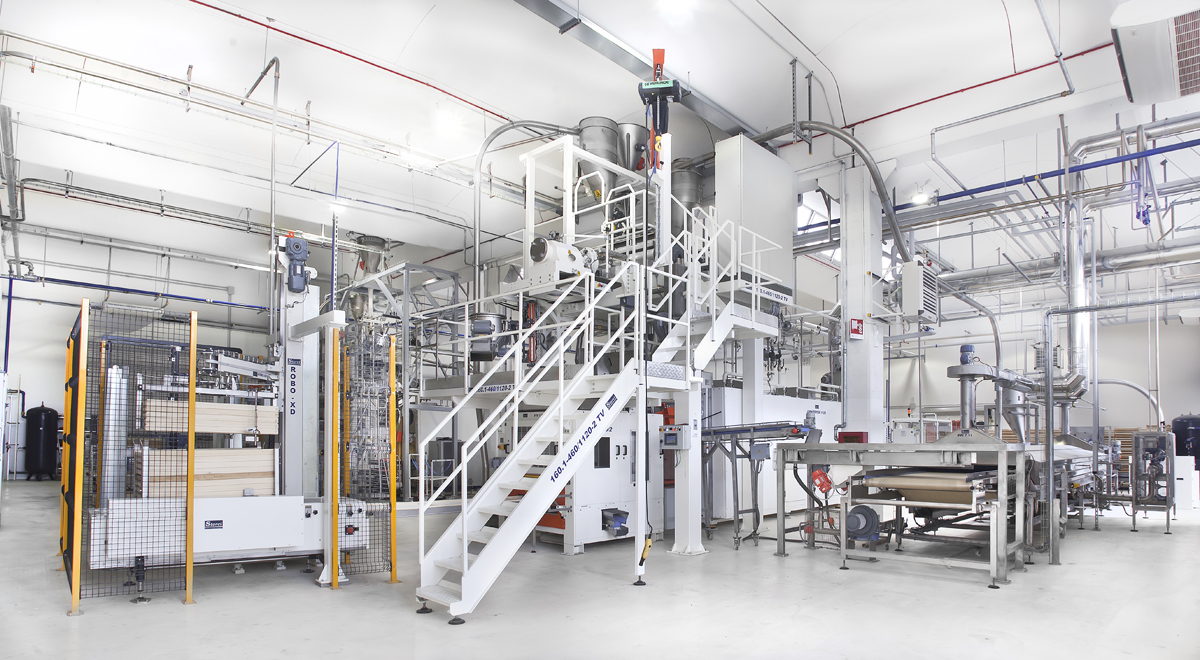
  1. The complete PAVAN pasta production line
  2. The Thermo-Active System (TAS) dryer  the real game-changer

Let’s look at both.

PAVAN Pasta Production Line (Step-by-Step Overview)

Image

A full PAVAN line includes:

1. Storage & Dosing

  • Climate-controlled silos
  • Automated weighing
  • Precise semolina-to-water ratios

Image


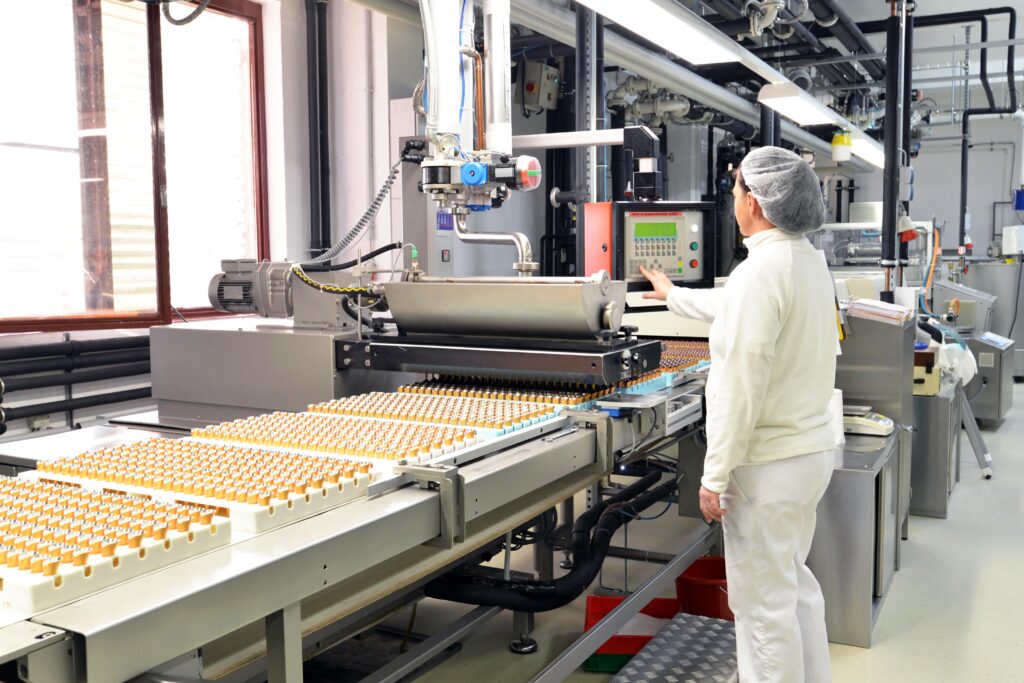
2. Vacuum Mixing

  • Air removed before mixing
  • Prevents discoloration & defects
  • Uniform hydration under temperature control

3. Extrusion

  • High-pressure extrusion through bronze or Teflon dies
  • Continuous temperature monitoring
  • Automatic cutting for shape precision

4. Pre-Drying

  • Stabilizes shape
  • Prevents surface cracking

5. TAS Drying (Core Technology)

Multi-zone, climate-controlled drying (explained in detail below).

Image

6. Cooling

  • Gradual temperature reduction
  • Prevents thermal shock

7. Quality Control

  • Moisture sensors
  • Color & shape inspection
  • Automated rejection of defects

8. Packaging

  • Automatic weighing, sealing & labeling
  • Metal detection & traceability

Everything is connected, automated, and monitored in real time.

The Thermo-Active System (TAS): Why PAVAN Changed Pasta Forever

Drying is the most critical stage in pasta manufacturing.

You must reduce moisture from ~30% to 12 -12.5% without:

  • Cracking
  • White spots
  • Protein damage
  • Color loss
  • Mold risk

Traditional drying:
10-24 hours. Slow. Energy-heavy. Inconsistent.

PAVAN TAS:
2-4 hours. Faster. Cleaner. Consistent.

How TAS Works (Multi-Zone Drying)

Image

Typical TAS zones:

Zone Purpose Temp Humidity
Zone 1 Surface drying 40–50°C 70–85%
Zone 2 Moisture movement 55–70°C 50–70%
Zone 3 Core drying 70–85°C 30–50%
Zone 4 Equalization 50–60°C 40–60%
Zone 5 Final drying 40–50°C 30–40%

Total time: ~2.5–4 hours

Each zone has independent control over:

  • Temperature (±0.5°C)
  • Humidity (±2%)
  • Airflow direction & speed

Why TAS Produces Better Pasta

✔ Better color  no oxidation
✔ Better texture  firm al dente bite
✔ Better cooking behavior no stickiness, clear water
✔ Better consistency same result, every batch
✔ 30-50% lower energy usage

Image

How Bregano Uses PAVAN Technology

At Bregano, our setup includes:

  • Complete PAVAN short-cut pasta line
  • Thermo-Active System (TAS) dryer
  • Capacity: 50+ metric tonnes per day
  • Products: Penne, Fusilli, Macaroni
  • Raw material: 100% durum wheat semolina

Manufactured at:
7-acre fully automated facility, Rudrapur (Uttarakhand)
Certified: FSSAI, GMP, GHP, FSSC 22000, HACCP, Halal

Why We Chose PAVAN (When Cheaper Options Exist)

Aspect PAVAN TAS Basic Equipment
Mixing Vacuum Atmospheric
Drying 4–5 active zones 1–2 basic zones
Drying time 2–4 hours 10–16 hours
Energy use Optimized High
Consistency Automated Operator-dependent

Yes, PAVAN costs more upfront.
But over 5–10 years:

  • Lower operating costs
  • Less waste
  • Premium product positioning
  • Strong brand trust

For us, the choice was simple.

Internal Reading

Related: Pasta Quality & Health Guides

Experience Pasta Made with Italian Technology

Our promise

  • 100% durum wheat semolina
  • No maida
  • Made using Italian PAVAN Thermo-Active System technology

The difference isn’t marketing.
It’s engineering. Taste it yourself.